Playback starts YouTube’s embedded player (privacy-enhanced mode).
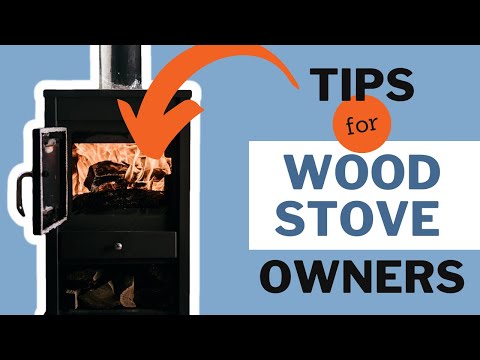
How to Operate Your Wood Stove More Efficiently
ChannelWashington Department of EcologyDescription from the creator
When this video was made in 2009, some of the wood stoves shown were considered certified, but aren’t now. Find out which stoves meet Washington State's standards: ecology.wa.gov/Air-Climate/Air-quality/Smoke-fi…
Wood smoke is one of the main sources of air pollution in Washington. Wood stoves, fireplaces, and other wood burning devices put out hundreds of times more air pollution than other sources of heat, such as natural gas or electricity.
If you burn, burn clean.
If you heat with wood, you can reduce smoke by burning properly: Burn only dry, seasoned wood. Be sure your firewood has been split and dried for at least one year. Store it under cover.
Never burn wet, painted, stained or treated wood; colored newsprint; plastic; garbage; diapers; or magazines.
Burn small, hot fires. This helps the wood burn completely and cleanly. Never allow the fire to smolder. This wastes wood, produces little heat, and causes a lot of smoke.
Make sure your fire gets enough air. Dampering down too much causes smoldering. You can tell if your fire has enough air by checking the smoke coming from your chimney. You should see only heat waves. If you see smoke, increase the air supply to your fire.
Make sure your wood stove is the right size for its space. A stove that is too large for the space it is heating will have to be damped down, causing more smoke. Make sure your stove is properly installed.
Wood smoke is one of the main sources of air pollution in Washington. Wood stoves, fireplaces, and other wood burning devices put out hundreds of times more air pollution than other sources of heat, such as natural gas or electricity.
If you burn, burn clean.
If you heat with wood, you can reduce smoke by burning properly: Burn only dry, seasoned wood. Be sure your firewood has been split and dried for at least one year. Store it under cover.
Never burn wet, painted, stained or treated wood; colored newsprint; plastic; garbage; diapers; or magazines.
Burn small, hot fires. This helps the wood burn completely and cleanly. Never allow the fire to smolder. This wastes wood, produces little heat, and causes a lot of smoke.
Make sure your fire gets enough air. Dampering down too much causes smoldering. You can tell if your fire has enough air by checking the smoke coming from your chimney. You should see only heat waves. If you see smoke, increase the air supply to your fire.
Make sure your wood stove is the right size for its space. A stove that is too large for the space it is heating will have to be damped down, causing more smoke. Make sure your stove is properly installed.
About this tutorial
Washington Department of Ecology published this 4:40 video tutorial on October 26, 2009. It has been watched 1,101,820 times on YouTube.
- Category
- Education
- Duration
- 4:40
- Published
- October 26, 2009
- Views
- 1,101,820
- Likes
- 1,661
Tags
Share
This tutorial in other languages
- FRComment faire fonctionner votre poêle à bois Plus Efficacement
- ESInstrucciones de uso de la estufa de madera de manera más eficiente
- PTComo operar seu fogão de madeira de forma mais eficiente
- ITCome azionare la stufa a legna in modo più efficiente
- DEWie Sie Ihren Holzofen bedienen Effizient
- NLHoe efficiënter werken Uw Houtkachel
- RUКак работать Вашу дровяную печь Более эффективной
- PLJak obsługiwać piec na drewno Więcej Skutecznie
- JAより効率的に薪ストーブの操作方法
- ARكيفية تشغيل الخشب موقد بشكل أكثر كفاءة
- HIकैसे अधिक कुशलता से अपने लकड़ी की अंगीठी संचालित करने के लिए
- IDCara Mengoperasikan Kompor Kayu Anda Lebih Efisien