Playback starts YouTube’s embedded player (privacy-enhanced mode).
How to arrange flower pots according to plant type
ChannelPlantFarmEatDescription from the creator
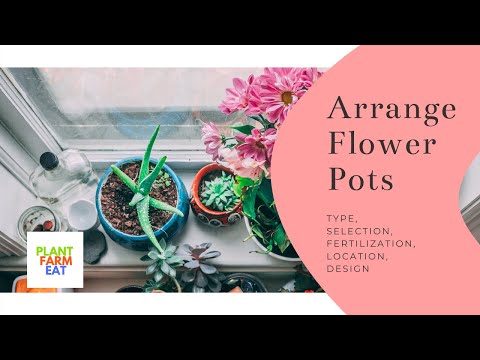
How to arrange flower pots according to plant type (Type, Selection, Fertilization, Location, Design)
@PlantFarmEat
Quick facts:
Container gardens: are an easy way to add a splash of color to your home landscaping. Pots are portable, decorative, and simple to maintain. They are a good way for new gardeners to experiment with flowers or for experienced gardeners to highlight existing flowerbeds. Follow these steps to create your own flower container garden, and make a colorful place.
Choose a pot: in general, a bigger container is preferred, greater soil volume supports better plant growth. It does not have to be watered as often, and there is less chance of the wind tipping it over. There are many container materials to choose from including clay, ceramic, plastic, fiberglass, and wood. Colorful, glazed ceramic pots serve a dual purpose, adding color from both container and flowers. You can also make containers out of everyday objects such as old watering cans. Make sure pots have drainage holes and think about portability.
Fertilize: fill your container with a soilless potting mix made of materials such as peat, vermiculite, and perlite. Unless it comes with fertilizer already mixed in, add nutrients to the medium before planting. Because of limited growing space and frequent watering, container gardens should be fertilized frequently and in small amounts. As the season goes on, you can liquid feed with substances such as fish emulsion or compost tea. If you choose inorganic fertilizer, add a slow-release granular product with a nitrogen-phosphorus-potassium ratio of 3:1:2. Reapply halfway through the growing season. You may also choose a water-soluble fertilizer with a similar chemical makeup and apply frequently using a hose or watering can. In general, fertilizers containing 8 to 20% nitrogen produce the most blooms. Avoid phosphorus-rich fertilizers. High levels of this nutrient are not needed, and runoff can contribute to water pollution.
Choose location: many plants need full sun, and more frequent watering. Set up a simple drip irrigation system as wind dries out containers faster. Place emitters in your flower containers and set the system on a timer to ensure that plants get adequate water. Monitor containers occasionally for potential pests and diseases.
Apply design principles: for visual effect, follow basic design principles when filling your container. Choose plants satisfying three requirements: a tall focal point, filler material, and cascading leaves or blooms. Decide on a color scheme. A harmonious design uses plants in varying shades of one color or similar colors. Or choose a bold contrasting color scheme with plants opposite on the color wheel, such as purple and yellow.
Plant Farm Eat Youtube Channel:
Are you curious to learn more about planting, gardening, farming, and consumption?
Educational videos explore the topics of planning and design; selection and care; tools and materials; harvest and storage.
Plant Farm Eat contributes to awareness raising and widespread knowledge of responsible, healthy, and fulfilling lifestyles and surroundings.
Tags: Planting, Farming, Eating, Horticulture, Agriculture, Environment, Food, Flowers & Ornamental Grasses, Fruits & Nuts, Greenhouse, Herbs, Horticulture Business, Horticulture Practices, Houseplants, Household Pests, Landscaping, Lawns & Turf, Plant Culture Guides, Streamside Forestry, Trees, Shrubs & Woody Vines, Vegetables, Water Gardening, Wildlife, Woodland & Windbreak Management ...
Are you curious to learn more about planting, gardening, farming, and consumption?
Plant Farm Eat – its a platform for horticulture and environment enthusiasts, helping you maximize your time and efforts, and provide you with pragmatic guides and practices how to plant, farm, and eat sustainably …
Educational videos explore the topics of planning and design; selection and care; tools and materials; harvest and storage.
Plant Farm Eat contributes to awareness raising and widespread knowledge of responsible, healthy, and fulfilling lifestyles and surroundings.
Type: Educational
Schedule: Weekly
Please watch, subscribe, and share with others:
youtube.com/channel/UCckF4QEozMeLrNsy_RUVYOw?su…
youtube.com/playlist?list=PLbvRRpdwh2ho2wVNrASG…
Read more: bookstore.ksre.ksu.edu/pubs/MF2874.pdf
Sources:
hnr.k-state.edu/extension/publications/
videezy.com/
pexels.com/
videvo.net/
unsplash.com/
youtube.com/audiolibrary/music?nv=1
canva.com/
apple.com/imovie/
@PlantFarmEat
Quick facts:
Container gardens: are an easy way to add a splash of color to your home landscaping. Pots are portable, decorative, and simple to maintain. They are a good way for new gardeners to experiment with flowers or for experienced gardeners to highlight existing flowerbeds. Follow these steps to create your own flower container garden, and make a colorful place.
Choose a pot: in general, a bigger container is preferred, greater soil volume supports better plant growth. It does not have to be watered as often, and there is less chance of the wind tipping it over. There are many container materials to choose from including clay, ceramic, plastic, fiberglass, and wood. Colorful, glazed ceramic pots serve a dual purpose, adding color from both container and flowers. You can also make containers out of everyday objects such as old watering cans. Make sure pots have drainage holes and think about portability.
Fertilize: fill your container with a soilless potting mix made of materials such as peat, vermiculite, and perlite. Unless it comes with fertilizer already mixed in, add nutrients to the medium before planting. Because of limited growing space and frequent watering, container gardens should be fertilized frequently and in small amounts. As the season goes on, you can liquid feed with substances such as fish emulsion or compost tea. If you choose inorganic fertilizer, add a slow-release granular product with a nitrogen-phosphorus-potassium ratio of 3:1:2. Reapply halfway through the growing season. You may also choose a water-soluble fertilizer with a similar chemical makeup and apply frequently using a hose or watering can. In general, fertilizers containing 8 to 20% nitrogen produce the most blooms. Avoid phosphorus-rich fertilizers. High levels of this nutrient are not needed, and runoff can contribute to water pollution.
Choose location: many plants need full sun, and more frequent watering. Set up a simple drip irrigation system as wind dries out containers faster. Place emitters in your flower containers and set the system on a timer to ensure that plants get adequate water. Monitor containers occasionally for potential pests and diseases.
Apply design principles: for visual effect, follow basic design principles when filling your container. Choose plants satisfying three requirements: a tall focal point, filler material, and cascading leaves or blooms. Decide on a color scheme. A harmonious design uses plants in varying shades of one color or similar colors. Or choose a bold contrasting color scheme with plants opposite on the color wheel, such as purple and yellow.
Plant Farm Eat Youtube Channel:
Are you curious to learn more about planting, gardening, farming, and consumption?
Educational videos explore the topics of planning and design; selection and care; tools and materials; harvest and storage.
Plant Farm Eat contributes to awareness raising and widespread knowledge of responsible, healthy, and fulfilling lifestyles and surroundings.
Tags: Planting, Farming, Eating, Horticulture, Agriculture, Environment, Food, Flowers & Ornamental Grasses, Fruits & Nuts, Greenhouse, Herbs, Horticulture Business, Horticulture Practices, Houseplants, Household Pests, Landscaping, Lawns & Turf, Plant Culture Guides, Streamside Forestry, Trees, Shrubs & Woody Vines, Vegetables, Water Gardening, Wildlife, Woodland & Windbreak Management ...
Are you curious to learn more about planting, gardening, farming, and consumption?
Plant Farm Eat – its a platform for horticulture and environment enthusiasts, helping you maximize your time and efforts, and provide you with pragmatic guides and practices how to plant, farm, and eat sustainably …
Educational videos explore the topics of planning and design; selection and care; tools and materials; harvest and storage.
Plant Farm Eat contributes to awareness raising and widespread knowledge of responsible, healthy, and fulfilling lifestyles and surroundings.
Type: Educational
Schedule: Weekly
Please watch, subscribe, and share with others:
youtube.com/channel/UCckF4QEozMeLrNsy_RUVYOw?su…
youtube.com/playlist?list=PLbvRRpdwh2ho2wVNrASG…
Read more: bookstore.ksre.ksu.edu/pubs/MF2874.pdf
Sources:
hnr.k-state.edu/extension/publications/
videezy.com/
pexels.com/
videvo.net/
unsplash.com/
youtube.com/audiolibrary/music?nv=1
canva.com/
apple.com/imovie/
About this tutorial
PlantFarmEat published this 3:53 video tutorial on June 9, 2020. It has been watched 276 times on YouTube.
- Channel
- PlantFarmEat
- Category
- Howto & Style
- Duration
- 3:53
- Published
- June 9, 2020
- Views
- 276
- Likes
- 10
Share
This tutorial in other languages
- FRComment organiser des pots de fleurs selon le type de plante
- ESLa forma de organizar las macetas de acuerdo con el tipo de planta
- PTComo organizar vasos de flores de acordo com tipo de planta
- ITCome organizzare vasi di fiori in base al tipo di impianto
- DEWie man Blumentöpfe nach Pflanzenart ordnen
- NLHoe te bloempotten regelen op basis van het type installatie
- RUКак организовать цветочные горшки в зависимости от типа растений
- PLJak zorganizować donice w zależności od rodzaju roślin
- JA植物の種類に応じて植木鉢をアレンジする方法
- ARكيفية ترتيب أواني الزهور وفقا لنوع النبات
- HIकैसे संयंत्र के प्रकार के अनुसार फूल बर्तन की व्यवस्था करने के
- IDBagaimana mengatur pot bunga sesuai dengan jenis tanaman