Playback starts YouTube’s embedded player (privacy-enhanced mode).
How to save energy in your home - HomeServe Video Guide
ChannelHomeServeDescription from the creator
homeserve.com - This guide will show you how to save energy in the home so you can reduce your heating, hot water and electrity bills.
Step 1: Insulate
Insulation makes an enormous difference to the cost of heating and should be top of your list of energy-saving measures. See ""How to insulate your home"" for more details.
Step 2: Turn Off!
It might seem like a little thing to turn the main lights off when you're not in the room but it makes a big difference to our overall energy consumption.
And don't forget all the other mini energy guzzlers like laptops, printers, scanners, speakers, routers and keyboards. You don't have to know what all these things do to understand that they make our homes even more power-hungry.
And turn them off properly - don't just leave them in standby mode. Basically, if it's got a little light on - turn it off.
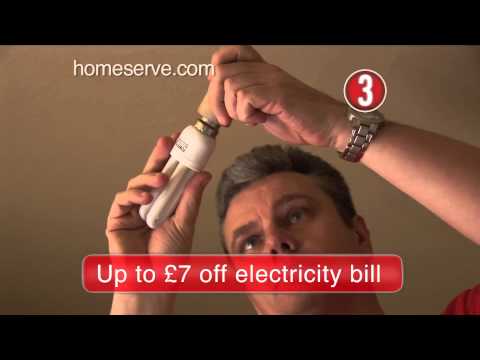
Step 3: Get some energy saving lightbulbs
Energy saving bulbs use 80% less power than normal lightbulbs but produce the same amount of light. For each bulb you change you're cutting your CO2 output by 26 grams per year, plus your saving 7 quid on your electricity bill. And that's for each bulb. Throw in the fact that they last ten times longer than normal bulbs and what are you waiting for!
Step 4: Get A Greenhouse Gas Meter
Another good way of preserving energy is to buy an electricity-saving device called Electrisave. Essentially it's a meter that tells you how many kilos of greenhouse gases your house is consuming per hour and also works out the cost. This way you can work out which appliances in your home are using the most energy.
An Electrisave meter isn't cheap - it retails at £80. It could, however, save you up to 25% on your bill, so it's worth investing in.
Step 5: Change to a Green Electricity Supplier
Changing to a green electricity suppier is something everyone can do; it only takes a few minutes online. www.whichgreen.org has lots of information on the different options out there.
Step 6: Install Home Renewable Energy Sources
You can also start generating your own electricity at home using solar panels, ground source heat systems, biomass or even wind turbines. For more information on this visit the Renewable Energy Association website r-p-a.org.uk.
Be aware however that cost savings are likely to be made over quite a number of years, so this isn't generally something that's worth doing solely on financial grounds.
About this tutorial
HomeServe published this 2:37 video tutorial on November 7, 2012. It has been watched 5,892 times on YouTube.
- Channel
- HomeServe
- Category
- Howto & Style
- Duration
- 2:37
- Published
- November 7, 2012
- Views
- 5,892
- Likes
- 12
Tags
Share
This tutorial in other languages
- FRComment économiser de l'énergie dans votre maison - HomeServe Guide vidéo
- ESCómo ahorrar energía en su hogar - Guía HomeServe vídeo
- PTComo poupar energia em sua casa - Guia HOMESERVE Vídeo
- ITCome risparmiare energia in casa - HomeServe Video Guida
- DEWie Energie in Ihrem Haus zu retten - Homeserve Video Guide
- NLHoe om energie te besparen in uw huis - Homeserve Video Guide
- RUКак сэкономить энергию в вашем доме - HomeServe Guide видео
- PLJak oszczędzać energię w domu - Homeserve przewodnik
- JAHomeServeビデオガイド - あなたの家でエネルギーを節約する方法
- ARكيفية توفير الطاقة في منزلك - HomeServe دليل فيديو
- HIHomeServe वीडियो गाइड - अपने घर में ऊर्जा बचाने के लिए कैसे
- IDBagaimana untuk menghemat energi di rumah Anda - HomeServe Panduan Video