Playback starts YouTube’s embedded player (privacy-enhanced mode).
How to Work with Gas Pipes | Ask This Old House
ChannelThis Old HouseDescription from the creator
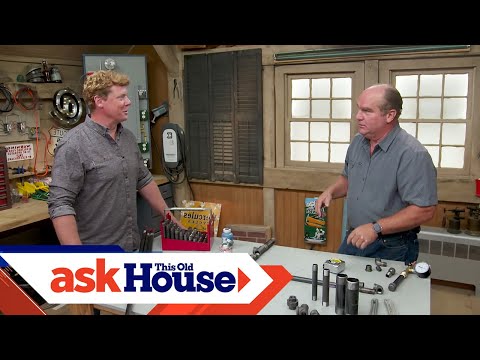
Ask This Old House plumbing and heating expert Richard Trethewey explains how gas piping is installed in a home.
SUBSCRIBE to This Old House: bit.ly/SubscribeThisOldHouse
Skill Level: Expert – for licensed professionals only
Steps:
1. In general, residential houses start with 1” gas pipes at the gas meter and then branch out to smaller diameter pipes using T fittings as they reach their appliance destinations.
2. To connect gas appliances to the main branch, there are gas pipes that come in a variety of lengths that you can piece together to reach each appliance. They are secured with pipe dope and gas fittings. Because of the way the threads work, piping always has to start at the source and work its way outward towards each appliance.
3. It’s also possible to thread your own gas pipes at the exact length you need if you have a pipe threading tool.
4. Before turning the gas back on, any professional will test for leaks by connecting a manometer to the pipes, locking in the air pressure, and waiting overnight to see if the pressure drops.
5. If the new gas work passes the manometer, a soap test should also be done as the gas is turned back on. If the soap solution bubbles over any of the new work, that means there is a leak.
Resources:
Richard emphasizes that only a licensed professional should work with gas. The materials they use for gas pipe fittings, including the pipes, nipples, and pipe dope, can be found at home centers and plumbing supply houses.
About Ask This Old House TV:
Homeowners have a virtual truckload of questions for us on smaller projects, and we're ready to answer. Ask This Old House solves the steady stream of home improvement problems faced by our viewers—and we make house calls! Ask This Old House features some familiar faces from This Old House, including Kevin O'Connor, general contractor Tom Silva, plumbing and heating expert Richard Trethewey, and landscape contractor Roger Cook.
Follow This Old House and Ask This Old House:
Facebook: bit.ly/ThisOldHouseFB
Twitter: bit.ly/ThisOldHouseTwitter
bit.ly/AskTOHTwitter
Pinterest: bit.ly/ThisOldHousePinterest
Instagram: bit.ly/ThisOldHouseIG
bit.ly/AskTOHIG
Tumblr: bit.ly/ThisOldHouseTumblr
For more on This Old House and Ask This Old House, visit us at: bit.ly/ThisOldHouseWebsite
How to Work with Gas Pipes | Ask This Old House
youtube.com/user/thisoldhouse/
SUBSCRIBE to This Old House: bit.ly/SubscribeThisOldHouse
Skill Level: Expert – for licensed professionals only
Steps:
1. In general, residential houses start with 1” gas pipes at the gas meter and then branch out to smaller diameter pipes using T fittings as they reach their appliance destinations.
2. To connect gas appliances to the main branch, there are gas pipes that come in a variety of lengths that you can piece together to reach each appliance. They are secured with pipe dope and gas fittings. Because of the way the threads work, piping always has to start at the source and work its way outward towards each appliance.
3. It’s also possible to thread your own gas pipes at the exact length you need if you have a pipe threading tool.
4. Before turning the gas back on, any professional will test for leaks by connecting a manometer to the pipes, locking in the air pressure, and waiting overnight to see if the pressure drops.
5. If the new gas work passes the manometer, a soap test should also be done as the gas is turned back on. If the soap solution bubbles over any of the new work, that means there is a leak.
Resources:
Richard emphasizes that only a licensed professional should work with gas. The materials they use for gas pipe fittings, including the pipes, nipples, and pipe dope, can be found at home centers and plumbing supply houses.
About Ask This Old House TV:
Homeowners have a virtual truckload of questions for us on smaller projects, and we're ready to answer. Ask This Old House solves the steady stream of home improvement problems faced by our viewers—and we make house calls! Ask This Old House features some familiar faces from This Old House, including Kevin O'Connor, general contractor Tom Silva, plumbing and heating expert Richard Trethewey, and landscape contractor Roger Cook.
Follow This Old House and Ask This Old House:
Facebook: bit.ly/ThisOldHouseFB
Twitter: bit.ly/ThisOldHouseTwitter
bit.ly/AskTOHTwitter
Pinterest: bit.ly/ThisOldHousePinterest
Instagram: bit.ly/ThisOldHouseIG
bit.ly/AskTOHIG
Tumblr: bit.ly/ThisOldHouseTumblr
For more on This Old House and Ask This Old House, visit us at: bit.ly/ThisOldHouseWebsite
How to Work with Gas Pipes | Ask This Old House
youtube.com/user/thisoldhouse/
About this tutorial
This Old House published this 4:10 video tutorial on November 13, 2019. It has been watched 717,655 times on YouTube.
- Channel
- This Old House
- Category
- Howto & Style
- Duration
- 4:10
- Published
- November 13, 2019
- Views
- 717,655
- Likes
- 5,508
Tags
Share
This tutorial in other languages
- FRComment travailler avec des tuyaux à gaz | Demandez This Old House
- ESCómo trabajar con tubos de gas | Pregunte Esta casa vieja
- PTComo trabalhar com tubagens de gás | Pergunte This Old House
- ITCome lavorare con i tubi del gas | Chiedi This Old House
- DEWie mit Gasleitungen arbeiten | Stellen Sie Dieses alte Haus
- NLWerken met gasleidingen | Ja Deze Old House
- RUКак работать с Газопроводами | Задать этот старый дом
- PLJak pracować z rury gazowe | Ten stary dom zapytać
- JAガス管を使用する方法|この古い家を依頼
- ARكيفية العمل مع أنابيب الغاز | طرح هذا البيت القديم
- HIकैसे गैस पाइप के साथ काम करने के लिए | यह पुराने हाउस पूछें
- IDBagaimana bekerja dengan Pipa Gas | Tanyakan This Old House