Playback starts YouTube’s embedded player (privacy-enhanced mode).
How to Avoid Traffic Jams
ChannelHowcastDescription from the creator
Full Playlist: youtube.com/playlist?list=PLLALQuK1NDriCKwf1RLd…
-
-
Watch more How to Drive Safely videos: howcast.com/videos/155041-How-to-Avoid-Traffic-…
With a little bit of planning, you can avoid a lot of blood-pressure-raising traffic messes.
Step 1: Avoid rush hour
If at all possible, don’t drive from six to ten in the morning and between four and seven at night.
Step 2: Plan ahead
Plan your route ahead of time. If you’re traveling during a peak time, you may want to use back roads instead of crowded highways.
Tip
Online driving-direction sites often let you choose a 'no highway' option.
Step 3: Know alternatives
When planning your route, research two or three alternate routes in case there’s a traffic tie-up.
Tip
Familiarize yourself with how roads connect with your primary and alternative routes in case you have to make a change while driving.
Step 4: Get traffic updates
Check traffic reports just before you hit the road and adjust your route accordingly. Many major cities have updated traffic information available for free over the Internet.
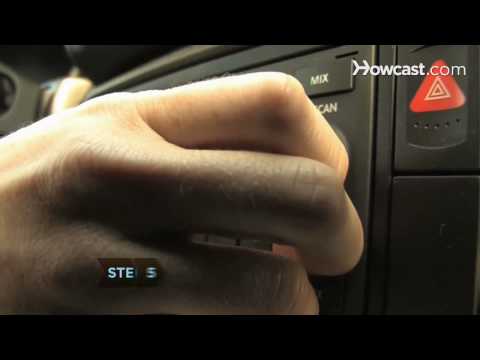
Step 5: Listen to the radio
Local radio stations often provide traffic updates on a regular basis. Tuning in to these updates can help navigate traffic jams as they happen.
Step 6:
GPS-based devices and services available to many mobile phones can keep you informed about traffic problems lurking ahead.
Step 7: Take the train
Switch to public transportation whenever you can. You’ll save money, aggravation, and the environment--and you can read the paper -- all at once!
Did You Know?
The average American driver spends nearly 38 hours a year cooling his jets in traffic jams.
-
-
Watch more How to Drive Safely videos: howcast.com/videos/155041-How-to-Avoid-Traffic-…
With a little bit of planning, you can avoid a lot of blood-pressure-raising traffic messes.
Step 1: Avoid rush hour
If at all possible, don’t drive from six to ten in the morning and between four and seven at night.
Step 2: Plan ahead
Plan your route ahead of time. If you’re traveling during a peak time, you may want to use back roads instead of crowded highways.
Tip
Online driving-direction sites often let you choose a 'no highway' option.
Step 3: Know alternatives
When planning your route, research two or three alternate routes in case there’s a traffic tie-up.
Tip
Familiarize yourself with how roads connect with your primary and alternative routes in case you have to make a change while driving.
Step 4: Get traffic updates
Check traffic reports just before you hit the road and adjust your route accordingly. Many major cities have updated traffic information available for free over the Internet.
Step 5: Listen to the radio
Local radio stations often provide traffic updates on a regular basis. Tuning in to these updates can help navigate traffic jams as they happen.
Step 6:
GPS-based devices and services available to many mobile phones can keep you informed about traffic problems lurking ahead.
Step 7: Take the train
Switch to public transportation whenever you can. You’ll save money, aggravation, and the environment--and you can read the paper -- all at once!
Did You Know?
The average American driver spends nearly 38 hours a year cooling his jets in traffic jams.
About this tutorial
Howcast published this 1:40 video tutorial on October 31, 2010. It has been watched 4,987 times on YouTube.
- Channel
- Howcast
- Category
- Autos & Vehicles
- Duration
- 1:40
- Published
- October 31, 2010
- Views
- 4,987
- Likes
- 29
Tags
Share
This tutorial in other languages
- FRComment éviter les embouteillages
- ESCómo evitar atascos de tráfico
- PTComo evitar engarrafamentos
- ITCome evitare ingorghi
- DEWie zu vermeiden Staus
- NLHoe te vermijden Traffic Jam
- RUКак избежать пробок
- PLJak uniknąć korki
- JAトラフィックジャムを回避する方法
- ARكيفية تجنب الاختناقات المرورية
- HIट्रैफिक जाम से बचने के लिए कैसे
- IDCara Hindari Kemacetan lalu lintas