Playback starts YouTube’s embedded player (privacy-enhanced mode).
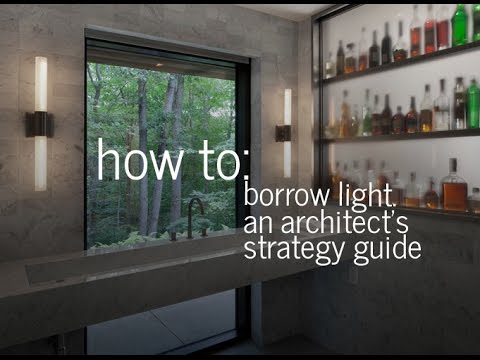
How to Borrow Natural Light - An Architect's Strategy Guide
Channel30X40 Design WorkshopDescription from the creator
In this video I discuss natural daylighting strategies anyone can take advantage of. I begin with a short history lesson which describes how daylighting actually shaped the largest of cities in the US.
In 1915 the 38-story Equitable Building in New York City was the largest office building in the world. Containing 1.2 million square feet of office space, it consumed nearly every available square foot of its diminutive lot and cast an equally large shadow on its neighborhood in lower Manhattan. Its construction inspired the enactment of the city’s 1916 Zoning Resolution, which was designed to preserve access to light and air at the street level. The resolution prescribed specific limitations for a building’s envelope — its outer walls — and would go on to shape the stepped forms that you see today on many of the iconic towers in the city.
This underscores the importance that access to daylight had in shaping even the largest of cities, the individual buildings that make up those cities and, more broadly, sensible building design. With an increasing focus on sustainable design practices, the smart use of natural daylight in our homes is no longer a luxury — it has become a necessity. At the heart of any good daylighting strategy is a concept of “borrowed” light: the capture of light falling on the exterior of a home and transporting it to the spaces where it’s needed.
-~-~~-~~~-~~-~-
Please watch: "Making a Site Model - The Outpost Project"
youtube.com/watch?v=VsJrDScS5ZI
-~-~~-~~~-~~-~-
In 1915 the 38-story Equitable Building in New York City was the largest office building in the world. Containing 1.2 million square feet of office space, it consumed nearly every available square foot of its diminutive lot and cast an equally large shadow on its neighborhood in lower Manhattan. Its construction inspired the enactment of the city’s 1916 Zoning Resolution, which was designed to preserve access to light and air at the street level. The resolution prescribed specific limitations for a building’s envelope — its outer walls — and would go on to shape the stepped forms that you see today on many of the iconic towers in the city.
This underscores the importance that access to daylight had in shaping even the largest of cities, the individual buildings that make up those cities and, more broadly, sensible building design. With an increasing focus on sustainable design practices, the smart use of natural daylight in our homes is no longer a luxury — it has become a necessity. At the heart of any good daylighting strategy is a concept of “borrowed” light: the capture of light falling on the exterior of a home and transporting it to the spaces where it’s needed.
-~-~~-~~~-~~-~-
Please watch: "Making a Site Model - The Outpost Project"
youtube.com/watch?v=VsJrDScS5ZI
-~-~~-~~~-~~-~-
About this tutorial
30X40 Design Workshop published this 7:26 video tutorial on November 1, 2015. It has been watched 504,362 times on YouTube.
- Channel
- 30X40 Design Workshop
- Category
- Howto & Style
- Duration
- 7:26
- Published
- November 1, 2015
- Views
- 504,362
- Likes
- 8,928
Tags
Share
This tutorial in other languages
- FRComment emprunter la lumière naturelle - Guide de stratégie de l'architecte
- ESCómo Borrow Luz Natural - Guía de Estrategia de un arquitecto
- PTComo Borrow Luz Natural - Guia de Estratégia de um arquiteto
- ITCome Borrow Natural Light - Guida Strategica di un architetto
- DEWie man Natural Light Borrow - eine Strategie Guide Architekt
- NLHoe te lenen Natural Light - An Architect's Strategy Guide
- RUКак Занять Natural Light - Руководство по стратегии архитектора
- PLJak Pożycz Natural Light - architekta Strategy Guide
- JA建築家の戦略ガイド - 自然光を借りる方法
- ARكيف للاقتراض الضوء الطبيعي - استراتيجية الدليل مهندس معماري ل
- HIउधार कैसे प्राकृतिक प्रकाश - एक वास्तुकार की रणनीति गाइड
- IDCara Pinjam Cahaya Alam - Sebuah Arsitek Panduan Strategi