Playback starts YouTube’s embedded player (privacy-enhanced mode).
How to Make a House Energy Efficient
ChannelDr. Energy SaverDescription from the creator
drenergysaver.com | 1-866-607-0191
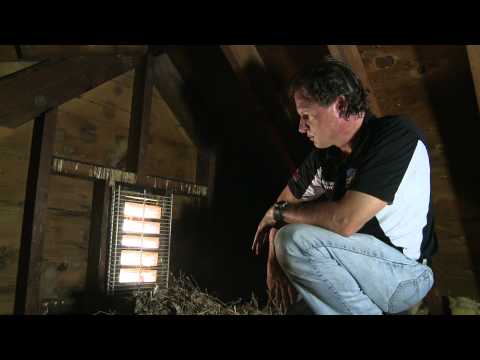
In this episode of the On the Job series, Larry Janesky, owner and founder of Dr. Energy Saver, walks us through the many ways they made a typical cape house more energy efficient.
The poor fiberglass attic insulation led to air leakage, higher energy bills, and ice damming.
Ice damming is when snow melts on the roof and collects around the ridge. When this ice melts, it can leak into your attic and other parts of your home. The problem was so significant that during an especially heavy winter storm in the previous year, the homeowner had to climb on the roof and manually break the large ice ridges to keep water from pouring down his kitchen cabinets.
Dr. Energy Saver was called to help solve this problem.
We used TruSoft™ cellulose insulation, with an R-Value of 3.7 per inch, to insulate the attic.
Since cape style homes like this one have a knee wall, a small space created at an angle between the roof and the floor, we used our SilverGlo™ rigid foam board insulation. It’s lined with a radiant barrier to help conserve heat in this area.
This cape is now ready for winter. The homeowner has a more comfortable house, and his energy bills are much lower. To learn more about ways to save energy in your home, watch our complete On The Job series, or call one of our certified energy conservation technicians for a home energy audit!
In this episode of the On the Job series, Larry Janesky, owner and founder of Dr. Energy Saver, walks us through the many ways they made a typical cape house more energy efficient.
The poor fiberglass attic insulation led to air leakage, higher energy bills, and ice damming.
Ice damming is when snow melts on the roof and collects around the ridge. When this ice melts, it can leak into your attic and other parts of your home. The problem was so significant that during an especially heavy winter storm in the previous year, the homeowner had to climb on the roof and manually break the large ice ridges to keep water from pouring down his kitchen cabinets.
Dr. Energy Saver was called to help solve this problem.
We used TruSoft™ cellulose insulation, with an R-Value of 3.7 per inch, to insulate the attic.
Since cape style homes like this one have a knee wall, a small space created at an angle between the roof and the floor, we used our SilverGlo™ rigid foam board insulation. It’s lined with a radiant barrier to help conserve heat in this area.
This cape is now ready for winter. The homeowner has a more comfortable house, and his energy bills are much lower. To learn more about ways to save energy in your home, watch our complete On The Job series, or call one of our certified energy conservation technicians for a home energy audit!
About this tutorial
Dr. Energy Saver published this 13:12 video tutorial on November 5, 2012. It has been watched 607,406 times on YouTube.
- Channel
- Dr. Energy Saver
- Category
- Howto & Style
- Duration
- 13:12
- Published
- November 5, 2012
- Views
- 607,406
- Likes
- 3,130
Tags
Share
This tutorial in other languages
- FRComment faire une énergie efficace Maison
- ESCómo hacer una casa eficiente de la energía
- PTComo fazer um Energia Casa Eficiente
- ITCome fare una casa Energy Efficient
- DEWie man ein Haus Energie sparen
- NLHoe maak je een House Energy Efficient
- RUКак сделать домик Энергоэффективным
- PLJak zrobić Dom Energooszczędny
- JA下院エネルギーを効率的にするためにどのように
- ARكيفية جعل البيت كفاءة الطاقة
- HIकैसे एक घर ऊर्जा कुशल बनाने के लिए
- IDCara Membuat Rumah Hemat Energi