Playback starts YouTube’s embedded player (privacy-enhanced mode).
How to Remove Smoke Odor After Fire
ChannelOdor KlenzDescription from the creator
How to Remove Smoke Odor After Fire
odorklenzair.com/
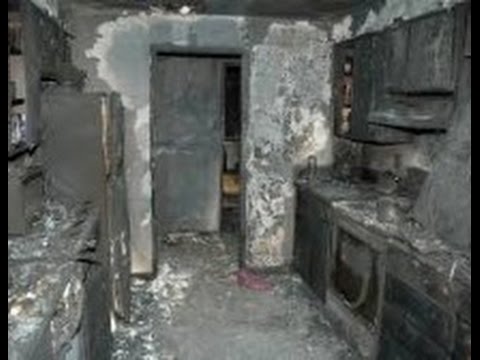
When natural disasters strike, such as fires and flooding, the amount of chemical contamination in a damaged property can be significant. Contamination can encompass the residual airborne pollutants to source chemicals themselves. Since the job of the restoration contractor is to get the property back to pre-loss conditions, addressing the chemical contamination is a key priority to meeting the expectations of the policyholder.
Some of the first things that should be done, assuming the structure has already been deemed safe, involve working towards a safer environment while simultaneously practicing good personal protection. Crews set up exhaust fans to remove bulk smoke, odors, and particulates where possible and air filtration devices with chemical adsorption cartridges to eliminate airborne chemical contamination. It is critical to get the chemical contamination neutralized and out of the property as the effects of even short-term exposure can be lasting and make the restoration job much more difficult.
The IICRC does a great job illustrating the importance of neutralizing chemical contamination on a fire restoration job site as soon as possible:
“Within Minutes: Acid soot residues cause plastics to yellow; small appliances located close to the source of combustion discolor; highly porous materials (marble, alabaster) discolor permanently.
“Within Hours: Acid residues stain grout in bathrooms; fiberglass bath fixtures may yellow; uncoated metals tarnish, counter tops may yellow; finishes on appliances, particularly refrigerators, may yellow; furniture finishes may discolor.
“Within Days: In time, acid residues cause painted walls to yellow permanently; metal corrodes, pits and rusts; wood furniture requires refinishing; vinyl flooring requires refinishing or replacement; clothing becomes soot-stained; upholstery stains permanently.”
Forst reported on –iicrc.org/consumers/care/fire-smoke-restoration/
OdorKlenz-air filterProducts that release chemicals to the environment in an effort to counteract chemicals and odors is counterproductive to the end goal if deployed to early in the restoration process. While contamination levels are high, processes that neutralize without releasing anything the environment should be used. A process such as ozone, hydroxyl, and fogging machines added chemicals to the environment. Even if they do react with all the chemical contamination, the byproducts of those reactions are still present since they have not been collected or filtered out.
Air filtration and advanced adsorptive neutralization are the best way to collect and eliminate the residual contamination that is on a property. These processes can be deployed as soon as the contractors arrive. At the end of the job, once most of the airborne chemical pollution is neutralized and gone, other chemical process could then be deployed if necessary and they would be more effective at the end compared to earlier in the restoration process because the contamination level would be much lower. This allows the contractors to use them sparingly and in a more directed sense limiting harmful chemical expose to the crew and leaving less residual behind.
odorklenzair.com/
When natural disasters strike, such as fires and flooding, the amount of chemical contamination in a damaged property can be significant. Contamination can encompass the residual airborne pollutants to source chemicals themselves. Since the job of the restoration contractor is to get the property back to pre-loss conditions, addressing the chemical contamination is a key priority to meeting the expectations of the policyholder.
Some of the first things that should be done, assuming the structure has already been deemed safe, involve working towards a safer environment while simultaneously practicing good personal protection. Crews set up exhaust fans to remove bulk smoke, odors, and particulates where possible and air filtration devices with chemical adsorption cartridges to eliminate airborne chemical contamination. It is critical to get the chemical contamination neutralized and out of the property as the effects of even short-term exposure can be lasting and make the restoration job much more difficult.
The IICRC does a great job illustrating the importance of neutralizing chemical contamination on a fire restoration job site as soon as possible:
“Within Minutes: Acid soot residues cause plastics to yellow; small appliances located close to the source of combustion discolor; highly porous materials (marble, alabaster) discolor permanently.
“Within Hours: Acid residues stain grout in bathrooms; fiberglass bath fixtures may yellow; uncoated metals tarnish, counter tops may yellow; finishes on appliances, particularly refrigerators, may yellow; furniture finishes may discolor.
“Within Days: In time, acid residues cause painted walls to yellow permanently; metal corrodes, pits and rusts; wood furniture requires refinishing; vinyl flooring requires refinishing or replacement; clothing becomes soot-stained; upholstery stains permanently.”
Forst reported on –iicrc.org/consumers/care/fire-smoke-restoration/
OdorKlenz-air filterProducts that release chemicals to the environment in an effort to counteract chemicals and odors is counterproductive to the end goal if deployed to early in the restoration process. While contamination levels are high, processes that neutralize without releasing anything the environment should be used. A process such as ozone, hydroxyl, and fogging machines added chemicals to the environment. Even if they do react with all the chemical contamination, the byproducts of those reactions are still present since they have not been collected or filtered out.
Air filtration and advanced adsorptive neutralization are the best way to collect and eliminate the residual contamination that is on a property. These processes can be deployed as soon as the contractors arrive. At the end of the job, once most of the airborne chemical pollution is neutralized and gone, other chemical process could then be deployed if necessary and they would be more effective at the end compared to earlier in the restoration process because the contamination level would be much lower. This allows the contractors to use them sparingly and in a more directed sense limiting harmful chemical expose to the crew and leaving less residual behind.
About this tutorial
Odor Klenz published this 1:29 video tutorial on November 12, 2016. It has been watched 8,354 times on YouTube.
- Channel
- Odor Klenz
- Category
- Howto & Style
- Duration
- 1:29
- Published
- November 12, 2016
- Views
- 8,354
- Likes
- 20
Tags
Share
This tutorial in other languages
- FRComment faire pour supprimer l'odeur de fumée après un incendie
- ESCómo eliminar el humo de olor después del fuego
- PTComo remover odor de fumaça após o incêndio
- ITCome rimuovere fumo Odore dopo l'incendio
- DEWie Entfernen von Geruch nach Feuer Rauch
- NLHoe te verwijderen rookgeur na brand
- RUКак удалить запах дыма после пожара
- PLJak usunąć zapach dymu Po Ognia
- JA火災後に煙の臭いを削除する方法
- ARكيفية إزالة رائحة الدخان بعد الحريق
- HIकैसे गंध धुआं आग के बाद निकालें
- IDCara Hapus Asap Bau Setelah Api