Playback starts YouTube’s embedded player (privacy-enhanced mode).
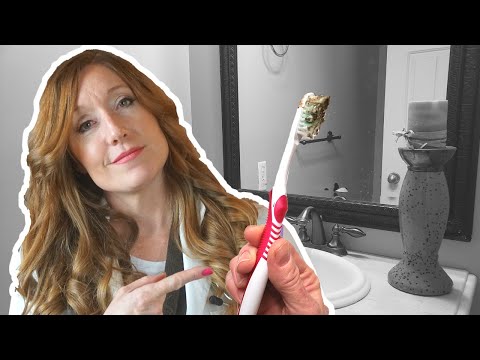
How to Clean and Disinfect your Toothbrush After Flu or Sickness
ChannelClean Freak & GermaphobeDescription from the creator
Using a toothbrush after having the flu is disgusting. Today we will discuss the top 3 methods of cleaning a toothbrush, tell you one to never do and give you a bonus one at the end.
We're cover three things.
1) How to store your Toothbrush. This is important to help it stay clean.
2) When should you replace it?
3) How to Clean a Toothbrush.
OK let’s kill those germs
Basic Rules
Don’t share your toothbrush.
Rinse it well to dislodge any chunks or toothpaste before using any cleaning method.
Give it lots of fresh air. Store your toothbrush in an open-air holder, not in a dirty cup, drawer or travel case. That can promote the growth of mold or bacteria that isn’t natural to your mouth, leading to mouth diseases like gingivitis.
Use your eyes to protect your teeth. When you can visually see discoloration, buildup or matting of the bristles, it’s time to change the toothbrush, It should look clean and straight.
Toothbrushes should be replaced approximately every three to four months or more often if the bristles become matted or frayed. The effectiveness of the brush decreases as the bristles become worn.
If you have any questions about the effectiveness of your toothbrush, just get a new one.
The Old Fashioned Way
Most of us do it this way. While effective we can do better. After using your toothbrush, we rinse in warm water for 15 seconds, store upright (to air-dry), and avoid storing your toothbrush in a cabinet or drawer.
Never store in a dark, enclosed space. Dark, moist environments help produce bacteria.
Using Hydrogen Peroxide
Soak your toothbrush in hydrogen peroxide for roughly 3-5 minutes. Then rinse out thoroughly with hot water.
Just remember to throw out the Hydrogen Peroxide afterward and clean the container it was in.
UV Method
UV-C light is weak at the Earth's surface as the ozone layer of the atmosphere blocks it.
UVGI devices can produce strong enough UV-C light in circulating air or water systems to make them inhospitable environments to microorganisms such as bacteria, viruses, molds, and other pathogens.)
They come in various shapes and sizes.
** UV Toothbrush Sanitizers ***
➡️Personal amzn.to/2QbFMEC
➡️Travel amzn.to/3cUrQs2
➡️Family amzn.to/2IJIzRa
➡️Dollar Tree Toothbrushes shrsl.com/260mw
They even have them for Specialty Brushes amzn.to/2IJ7ggI
We may earn a commission when you shop through our links.
Ok that’s the three best cleaning methods. Here is the method you should never use.
Microwaving or putting toothbrushes in the dishwasher is not recommended as such high heat may damage the brush. Wear them out prematurely and cause the bristles to be less effective while cleaning.
The last method of cleaning a toothbrush after someone has the flu.
Throw it out. You can get a 6 pack on Amazon for $4 dollars less than a dollar a brush.
References
cdc.gov/oralhealth/infectioncontrol/faqs/toothb…
health.clevelandclinic.org/wash-it-soak-it-pitc…
en.wikipedia.org/wiki/Ultraviolet_germicidal_ir…
cdc.gov/infectioncontrol/guidelines/disinfectio…
ada.org/en/member-center/oral-health-topics/too…
ncbi.nlm.nih.gov/pubmed/203115
About this tutorial
Clean Freak & Germaphobe published this 5:39 video tutorial on April 4, 2020. It has been watched 42,148 times on YouTube.
- Channel
- Clean Freak & Germaphobe
- Category
- People & Blogs
- Duration
- 5:39
- Published
- April 4, 2020
- Views
- 42,148
- Likes
- 594
Share
This tutorial in other languages
- FRComment nettoyer et désinfecter votre brosse à dents Après la grippe ou d'une maladie
- ESCómo limpiar y desinfectar su cepillo de dientes Después de la gripe o Enfermedad
- PTComo limpar e desinfectar sua escova de dentes Após Flu ou Doença
- ITCome pulire e disinfettare lo spazzolino da denti Dopo Influenza o Malattia
- DEWie zu reinigen und desinfizieren Sie Ihre Zahnbürste nach Grippe oder Krankheit
- NLHoe te reinigen en te desinfecteren uw tandenborstel na griep of Sickness
- RUКак чистить и дезинфицировать вашу зубную щетку После гриппа или болезни
- PLJak oczyścić i zdezynfekować szczoteczkę Po grypę lub choroby
- JAどのように清潔で駆除あなたの歯ブラシにインフルエンザや病気の後
- ARكيفية تنظيف وتعقيم فرشاة الأسنان الخاصة بك بعد انفلونزا أو المرض
- HIकैसे स्वच्छ और कीटाणुरहित अपने टूथब्रश फ्लू या बीमारी के बाद करने के लिए
- IDCara Bersih dan Hama sikat gigi Anda Setelah Flu atau Penyakit