Playback starts YouTube’s embedded player (privacy-enhanced mode).
How to Reduce Your Salt Intake
ChannelHowcastDescription from the creator
Watch more Healthy Eating videos: howcast.com/videos/248064-How-to-Reduce-Your-Sa…
Limiting your daily salt intake can help prevent major diseases. Here's how to cut back.
Step 1: Read labels
Read labels when you shop. If salt or sodium chloride is one of the first ingredients listed on the label, don’t buy the product.
Step 2: Eliminate high-sodium foods
Avoid high-sodium foods such as chips, salted nuts, and dressings. If you must eat them, try the low-sodium versions.
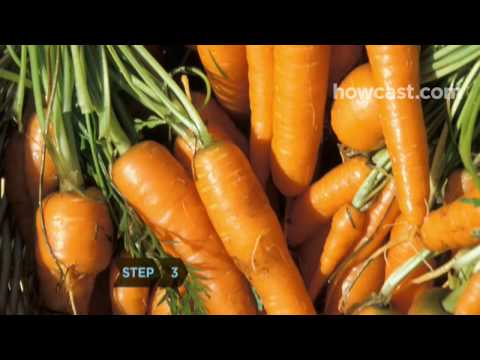
Step 3: Avoid processed foods
Buy fresh or plain frozen vegetables. Most processed foods have salt added for taste and as a preservative. When buying canned vegetables, look for ones labeled "no salt added."
Tip
Processed foods account for most of the sodium and salt we consume.
Step 4: Rinse canned foods
Rinse any canned foods that do contain sodium under running water to get rid of excess salt.
Step 5: Reduce salt when cooking
Flavor foods with herbs, vinegar, and lemons instead of bouillon cubes and sauces, which are high in sodium.
Step 6: Don’t add salt
Don’t put additional salt on your food. Remove the salt shaker from the dinner table.
Tip
Kosher salt, sea salt, garlic salt, onion salt, and many prepared spices have no less sodium than table salt.
Step 7: Eat at accommodating restaurants
Go to restaurants that will prepare your food with low- or no-salt.
Step 8: Avoid fast food
Don’t eat fast food. Fast food is notoriously high in salt.
Did You Know?
Among the many uses for salt other than in your diet are soothing bee stings, repelling fleas, and cleaning cutting boards.
Limiting your daily salt intake can help prevent major diseases. Here's how to cut back.
Step 1: Read labels
Read labels when you shop. If salt or sodium chloride is one of the first ingredients listed on the label, don’t buy the product.
Step 2: Eliminate high-sodium foods
Avoid high-sodium foods such as chips, salted nuts, and dressings. If you must eat them, try the low-sodium versions.
Step 3: Avoid processed foods
Buy fresh or plain frozen vegetables. Most processed foods have salt added for taste and as a preservative. When buying canned vegetables, look for ones labeled "no salt added."
Tip
Processed foods account for most of the sodium and salt we consume.
Step 4: Rinse canned foods
Rinse any canned foods that do contain sodium under running water to get rid of excess salt.
Step 5: Reduce salt when cooking
Flavor foods with herbs, vinegar, and lemons instead of bouillon cubes and sauces, which are high in sodium.
Step 6: Don’t add salt
Don’t put additional salt on your food. Remove the salt shaker from the dinner table.
Tip
Kosher salt, sea salt, garlic salt, onion salt, and many prepared spices have no less sodium than table salt.
Step 7: Eat at accommodating restaurants
Go to restaurants that will prepare your food with low- or no-salt.
Step 8: Avoid fast food
Don’t eat fast food. Fast food is notoriously high in salt.
Did You Know?
Among the many uses for salt other than in your diet are soothing bee stings, repelling fleas, and cleaning cutting boards.
About this tutorial
Howcast published this 1:41 video tutorial on November 11, 2010. It has been watched 35,475 times on YouTube.
- Channel
- Howcast
- Category
- Howto & Style
- Duration
- 1:41
- Published
- November 11, 2010
- Views
- 35,475
- Likes
- 171
Tags
Share
This tutorial in other languages
- FRComment réduire votre consommation de sel
- ESCómo reducir su consumo de sal
- PTComo reduzir o consumo de sal
- ITCome ridurre l'apporto di sale
- DEWie Reduzieren Sie Ihre Salzaufnahme
- NLHoe te Verlaag uw inname van zout
- RUКак уменьшить ваше потребление соли
- PLJak zmniejszyć spożycie soli
- JAあなたの食塩摂取を減らす方法
- ARكيفية تقليل الملح مدخلك
- HIकैसे आपका नमक की मात्रा कम करने के लिए
- IDCara Mengurangi Asupan Garam Anda