Playback starts YouTube’s embedded player (privacy-enhanced mode).
How to Track Animals
ChannelHowcastDescription from the creator
Full Playlist: youtube.com/playlist?list=PLLALQuK1NDrj4VP2ZSv1…
-
-
Watch more Wilderness Survival Skills videos: howcast.com/videos/420312-How-to-Track-Animals
Searching for critters? Use these tips to get on track!
Step 1: Seek animals
Go where the wild things are -- landscapes with heavy brush for hiding and diverse vegetation for year-round food -- and search for physical evidence. In addition to footprints, look for droppings, worn ground, and signs of rubbing, gnawing, chewing, scratching, or disturbance to the ground.
Step 2: Examine clues
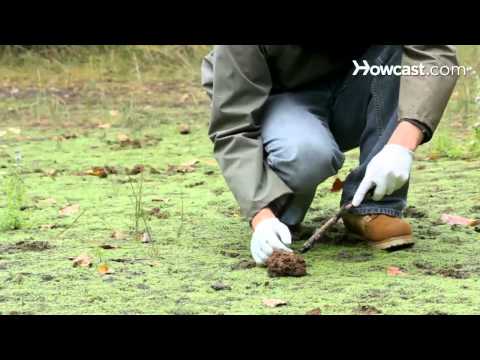
Study the evidence closely. "Focus on droppings, or scat":howcast.com/videos/418186-How-to-Identify-Scat -- its color, consistency, and content can indicate what type of animal left it and how recently. Write information you find in a notebook and check the data against a field guide to determine the animal you're tracking.
Tip
Use a stick or tweezers and wear gloves when handling scat.
Step 3: Classify the track
Study footprints to help identify the animal you're tracking. Note the number of toes on each foot, claw markings, and the general shape of the print. Look at the pattern to learn whether the creature moves by diagonal walk, bounding, galloping, or pacing.
Step 4: Measure the track
Use a ruler to measure the length and width of print's flat part, known as the "true track." Then, find the distance from the heel of one paw's true track to the heel of the same paw's next print to calculate the stride. Examine the distance between the inside edge of each foot left to right for the straddle.
Step 5: Follow the direction
Figure out where the animal is going. Place popsicle sticks at the heel of the tracks and tape string between them to establish the line of travel. Check if one front foot is behind the other over 4 to 5 tracks -- the lagging foot is dominant, indicating that an animal will often circle in that direction.
Tip
If footprints become difficult to spot, put your cheek to the earth, and using your lower eye, look for shiny or dull depressions in the earth. Keep the tracks between you and the light source.
Step 6: Play the end game
Track the animal patiently and quietly, and you'll soon catch up to your target!
Did You Know?
The Boy Scouts of America's merit badge for tracking was originally known as "stalking."
-
-
Watch more Wilderness Survival Skills videos: howcast.com/videos/420312-How-to-Track-Animals
Searching for critters? Use these tips to get on track!
Step 1: Seek animals
Go where the wild things are -- landscapes with heavy brush for hiding and diverse vegetation for year-round food -- and search for physical evidence. In addition to footprints, look for droppings, worn ground, and signs of rubbing, gnawing, chewing, scratching, or disturbance to the ground.
Step 2: Examine clues
Study the evidence closely. "Focus on droppings, or scat":howcast.com/videos/418186-How-to-Identify-Scat -- its color, consistency, and content can indicate what type of animal left it and how recently. Write information you find in a notebook and check the data against a field guide to determine the animal you're tracking.
Tip
Use a stick or tweezers and wear gloves when handling scat.
Step 3: Classify the track
Study footprints to help identify the animal you're tracking. Note the number of toes on each foot, claw markings, and the general shape of the print. Look at the pattern to learn whether the creature moves by diagonal walk, bounding, galloping, or pacing.
Step 4: Measure the track
Use a ruler to measure the length and width of print's flat part, known as the "true track." Then, find the distance from the heel of one paw's true track to the heel of the same paw's next print to calculate the stride. Examine the distance between the inside edge of each foot left to right for the straddle.
Step 5: Follow the direction
Figure out where the animal is going. Place popsicle sticks at the heel of the tracks and tape string between them to establish the line of travel. Check if one front foot is behind the other over 4 to 5 tracks -- the lagging foot is dominant, indicating that an animal will often circle in that direction.
Tip
If footprints become difficult to spot, put your cheek to the earth, and using your lower eye, look for shiny or dull depressions in the earth. Keep the tracks between you and the light source.
Step 6: Play the end game
Track the animal patiently and quietly, and you'll soon catch up to your target!
Did You Know?
The Boy Scouts of America's merit badge for tracking was originally known as "stalking."
About this tutorial
Howcast published this 2:31 video tutorial on November 8, 2010. It has been watched 57,481 times on YouTube.
- Channel
- Howcast
- Category
- Pets & Animals
- Duration
- 2:31
- Published
- November 8, 2010
- Views
- 57,481
- Likes
- 321
Tags
Share
This tutorial in other languages
- FRComment suivre Animaux
- ESCómo realizar el seguimiento Animales
- PTComo controlar Animais
- ITCome per rintracciare gli animali
- DEWie zu verfolgen Tiere
- NLHoe kan Track Animals
- RUКак отслеживать животных
- PLJak śledzić zwierząt
- JA動物を追跡する方法
- ARكيفية تعقب الحيوانات
- HIकैसे ट्रैक पशु के लिए
- IDCara Melacak Hewan