Playback starts YouTube’s embedded player (privacy-enhanced mode).
How to Balance Your Checkbook
ChannelHowcastDescription from the creator
Watch more How to Use the Bank Wisely videos: howcast.com/videos/210468-How-to-Balance-Your-C…
Do you cross your fingers when you write a check, hoping it won't bounce? Then it's time to learn how to monitor your finances.
Step 1: Keep track
Keep track of all the checks your write, the money you withdraw from your checking account at ATMs, and the purchases you make with a debit card. Enter everything into the registry that came with your checkbook.
Step 2: Get organized
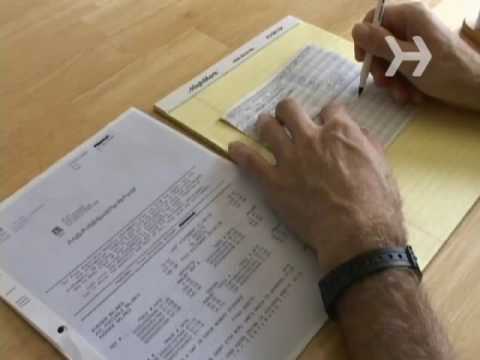
Find or download your latest bank statement, grab your checkbook registry, a piece of lined paper, and a pen or pencil.
Step 3: Mark cleared checks
Look at your statement to see which checks have cleared, and tick them off in your register.
Step 4: Verify deposits
Verify that any deposits listed on the statement are recorded in your register. If they're not, enter them.
Step 5: Reconcile withdrawals
Compare any withdrawals you made, whether through a bank teller, an ATM machine, or a debit card, with the amounts debited on your bank statement. If you missed any, write them in your checkbook registry now.
Tip
Keep your ATM receipts until you can verify them on your bank statement.
Step 6: See what's left
Note any additional amounts listed on your statement, like interest added to your account or bank fees that were deducted. Record these in your register. Then update your ending balance.
Step 7: Create a balancing ledger
Take the piece of lined paper and divide it into two columns. In the first column, write down all your outstanding deposits and total them. In the second column, add up your outstanding checks and any cash withdrawals or debit purchases that are not on your bank statement.
Step 8: Do some math
Take the ending balance on your bank statement, add the outstanding deposit total, and then subtract the outstanding checks, withdrawals, and debit charges. This is the total amount currently available to you in your checking account. And your checkbook is now balanced!
Did You Know?
According to a survey, 40 percent of Americans don't balance their checkbook and 20 percent don't keep track of their finances at all.
Do you cross your fingers when you write a check, hoping it won't bounce? Then it's time to learn how to monitor your finances.
Step 1: Keep track
Keep track of all the checks your write, the money you withdraw from your checking account at ATMs, and the purchases you make with a debit card. Enter everything into the registry that came with your checkbook.
Step 2: Get organized
Find or download your latest bank statement, grab your checkbook registry, a piece of lined paper, and a pen or pencil.
Step 3: Mark cleared checks
Look at your statement to see which checks have cleared, and tick them off in your register.
Step 4: Verify deposits
Verify that any deposits listed on the statement are recorded in your register. If they're not, enter them.
Step 5: Reconcile withdrawals
Compare any withdrawals you made, whether through a bank teller, an ATM machine, or a debit card, with the amounts debited on your bank statement. If you missed any, write them in your checkbook registry now.
Tip
Keep your ATM receipts until you can verify them on your bank statement.
Step 6: See what's left
Note any additional amounts listed on your statement, like interest added to your account or bank fees that were deducted. Record these in your register. Then update your ending balance.
Step 7: Create a balancing ledger
Take the piece of lined paper and divide it into two columns. In the first column, write down all your outstanding deposits and total them. In the second column, add up your outstanding checks and any cash withdrawals or debit purchases that are not on your bank statement.
Step 8: Do some math
Take the ending balance on your bank statement, add the outstanding deposit total, and then subtract the outstanding checks, withdrawals, and debit charges. This is the total amount currently available to you in your checking account. And your checkbook is now balanced!
Did You Know?
According to a survey, 40 percent of Americans don't balance their checkbook and 20 percent don't keep track of their finances at all.
About this tutorial
Howcast published this 1:52 video tutorial on October 31, 2009. It has been watched 101,257 times on YouTube.
- Channel
- Howcast
- Category
- Howto & Style
- Duration
- 1:52
- Published
- October 31, 2009
- Views
- 101,257
- Likes
- 423
Tags
Share
This tutorial in other languages
- FRComment équilibrer votre chéquier
- ESCómo balancear su chequera
- PTComo equilibrar sua carteira
- ITCome bilanciare il conto in banca
- DEWie Sie Ihr Scheckbuch zur Balance
- NLHoe tem je een Checkbook Balance
- RUКак сбалансировать чековую книжку
- PLJak saldo na koncie
- JAあなたの小切手帳のバランスをとる方法
- ARكيفية حساب دفتر الشيكات
- HIअपनी चेकबुक संतुलित कैसे
- IDCara Saldo Cek Anda