Playback starts YouTube’s embedded player (privacy-enhanced mode).
How to Pasteurize Eggs at home
ChannelNorth Carolina PrepperDescription from the creator
lots of recipes that use fresh raw eggs (either the white, yolk or both) as a primary ingredient. This is common for dressings, mayonnaise, egg nog, ice creams and frosting. Most eggs are perfectly safe to eat and according to the American Egg Board only about one in 20,000 eggs may contain salmonella.
Thats all fine for now but what about SHTF eggs? one should error on the side of caution when it pertains to food safety. Thankfully, the risk of salmonella can be avoided by using pasteurized eggs in your favorite raw egg recipes.
1. Allow the eggs to sit on the counter for about 15 minutes. This will bring the eggs to room temperature; which helps ensure the eggs reach the proper temperature to kill salmonella.
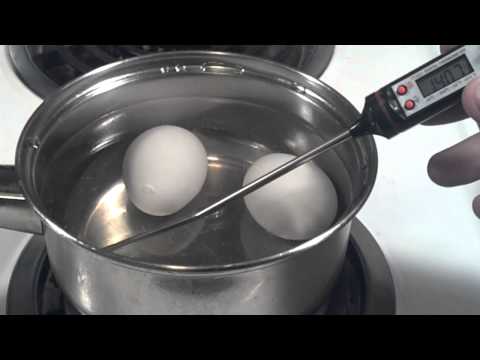
2. Fill a small saucepan with cold water and gently lower the eggs into the water. Place pan on the stove and cook over medium heat. Bring water to 140° to 150° F. It is best to use a thermometer but if you don't have a thermometer, 150° F is right about the time bubbles begin forming on the bottom of the pan.
3. Once the pan reaches 140° to 150° F, remove from heat and allow the eggs to rest in the water for 3 minutes.
Your eggs are now pasteurized and can be used in recipes just like any other unpasteurized eggs. Just be sure to keep the eggs refrigerated until ready-to-use.
Thats all fine for now but what about SHTF eggs? one should error on the side of caution when it pertains to food safety. Thankfully, the risk of salmonella can be avoided by using pasteurized eggs in your favorite raw egg recipes.
1. Allow the eggs to sit on the counter for about 15 minutes. This will bring the eggs to room temperature; which helps ensure the eggs reach the proper temperature to kill salmonella.
2. Fill a small saucepan with cold water and gently lower the eggs into the water. Place pan on the stove and cook over medium heat. Bring water to 140° to 150° F. It is best to use a thermometer but if you don't have a thermometer, 150° F is right about the time bubbles begin forming on the bottom of the pan.
3. Once the pan reaches 140° to 150° F, remove from heat and allow the eggs to rest in the water for 3 minutes.
Your eggs are now pasteurized and can be used in recipes just like any other unpasteurized eggs. Just be sure to keep the eggs refrigerated until ready-to-use.
About this tutorial
North Carolina Prepper published this 7:39 video tutorial on November 6, 2012. It has been watched 99,820 times on YouTube.
- Channel
- North Carolina Prepper
- Category
- Howto & Style
- Duration
- 7:39
- Published
- November 6, 2012
- Views
- 99,820
- Likes
- 395
Tags
Share
This tutorial in other languages
- FRComment pasteuriser les œufs à la maison
- ESCómo Huevina en casa
- PTComo Pasteurize Ovos em casa
- ITCome per pastorizzare le uova in casa
- DEWie pasteurisieren Eier zu Hause
- NLHoe te Pasteuriseer Eieren thuis
- RUКак пастеризовать яйца дома
- PLJak pasteryzować jajka w domu
- JA自宅で卵を低温殺菌する方法
- ARكيفية بسترة البيض في المنزل
- HIघर पर अंडे pasteurize कैसे
- IDCara pasteurisasi Telur di rumah