Playback starts YouTube’s embedded player (privacy-enhanced mode).
How to Stop Laughing in Inappropriate Situations
ChannelHowcastDescription from the creator
Watch more Mortifying Moments videos: howcast.com/videos/268782-How-to-Stop-Laughing-…
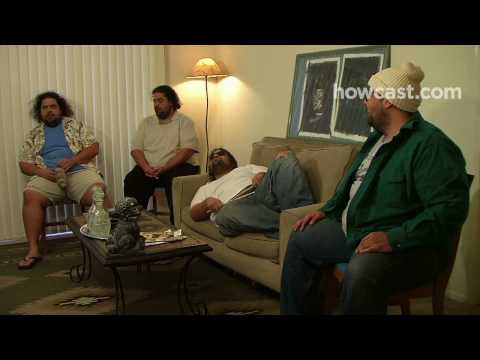
There are times when laughter is not called for. Because your charm may not be enough to save you, try some other ways to stop the laughter.
Step 1: Know what is inappropriate
Know when it is inappropriate to laugh. If you are unsure, ask your mother, or someone you can trust.
Step 2: Check others
Check out others in the room to see if they share your impulse. If they don't, divert your attention quickly by starting another conversation.
Step 3: Think of sad things
Think negative or sad thoughts to dampen your mood.
Tip
It's usually tension that precedes outbreaks of inappropriate laughter.
Step 4: Pinch yourself
Pinch yourself or bite the inside of your mouth or your lip to contain yourself. Physical pain can quell laughter.
Step 5: Disguise your reaction
Disguise your reaction by faking a coughing fit, using your hand to cover your grin. This allows you to leave the room and compose yourself.
Step 6: Let out air
Clamp a hand over your mouth and exhale quickly to rob the laugh of fuel. If caught, apologize without trying to explain, which may add insult to injury.
Tip
A laugh can appear to be a crying fit if you are at a funeral or in a sad situation, but it will take good acting.
Step 7: Grit to avoid
Grit your teeth while pushing your tongue against your pallet. If you have to release it, do it without a smile so people aren't sure what you're responding to.
Did You Know?
Did you know? Pathologic laughing or crying can result from severe brain injury.
There are times when laughter is not called for. Because your charm may not be enough to save you, try some other ways to stop the laughter.
Step 1: Know what is inappropriate
Know when it is inappropriate to laugh. If you are unsure, ask your mother, or someone you can trust.
Step 2: Check others
Check out others in the room to see if they share your impulse. If they don't, divert your attention quickly by starting another conversation.
Step 3: Think of sad things
Think negative or sad thoughts to dampen your mood.
Tip
It's usually tension that precedes outbreaks of inappropriate laughter.
Step 4: Pinch yourself
Pinch yourself or bite the inside of your mouth or your lip to contain yourself. Physical pain can quell laughter.
Step 5: Disguise your reaction
Disguise your reaction by faking a coughing fit, using your hand to cover your grin. This allows you to leave the room and compose yourself.
Step 6: Let out air
Clamp a hand over your mouth and exhale quickly to rob the laugh of fuel. If caught, apologize without trying to explain, which may add insult to injury.
Tip
A laugh can appear to be a crying fit if you are at a funeral or in a sad situation, but it will take good acting.
Step 7: Grit to avoid
Grit your teeth while pushing your tongue against your pallet. If you have to release it, do it without a smile so people aren't sure what you're responding to.
Did You Know?
Did you know? Pathologic laughing or crying can result from severe brain injury.
About this tutorial
Howcast published this 1:59 video tutorial on November 6, 2010. It has been watched 551,636 times on YouTube.
- Channel
- Howcast
- Category
- Howto & Style
- Duration
- 1:59
- Published
- November 6, 2010
- Views
- 551,636
- Likes
- 2,360
Tags
Share
This tutorial in other languages
- FRComment arrêter de rire dans des situations inappropriées
- ESCómo dejar de reír en situaciones inapropiadas
- PTComo parar de rir em situações inapropriadas
- ITCome smettere di ridere in situazioni inappropriate
- DESo verhindern Sie in unpassenden Situationen Lachen
- NLHoe te stoppen met lachen in Ongepast Situaties
- RUКак остановить Смеясь в неподходящих ситуациях
- PLJak przestać się śmiać w nieodpowiednich sytuacjach
- JA不適切な状況で笑う停止する方法
- ARكيفية التوقف عن الضحك في مواقف غير لائقة
- HIअनुचित हालात में हंसता को रोकने के लिए कैसे
- IDCara Berhenti Tertawa dalam Situasi pantas