Playback starts YouTube’s embedded player (privacy-enhanced mode).
How to Build Muscle, According to Science
ChannelSeekerDescription from the creator
» Subscribe to Seeker! bit.ly/subscribeseeker
» Watch more Human! bit.ly/HUMANplaylist
» Visit our shop at shop.seeker.com
While some aspects of aging are hard to picture and are the topic of ongoing research, one that we know quite a bit about is muscle.
But muscle is complex. Not only is it always adapting to how we use it, our muscle also changes multiple times over the course of our lives.
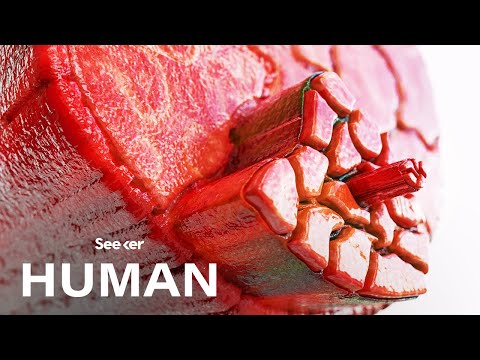
Today, we’ll learn about how our muscles change from the time we’re just a fetus, to our last mortal moments. There are three types of muscle: cardiac muscle, smooth muscle, and skeletal muscle.
As you might’ve guessed, cardiac muscle exists in our hearts. Smooth muscle can be found around our blood vessels and certain organs. And finally skeletal muscle is the type of muscle that lets you move you body, and it is also the focus of this episode.
Skeletal muscle is the most massive group of tissue in your body accounting for about forty percent of your body weight, so where does it come from?
Find out the answer and more in this Human.
#muscle #buildmuscle #body #fitness #seeker #physiology #humanseries #human
Read More:
Everything you’ve ever wanted to know about muscles
popsci.com/build-muscle-faq-exercise-experts/
“Muscles form when specialized long and tubular cells, known as myocytes, band together in a process called myogenesis. These fibers are distributed throughout our bodies and come in many different shapes, sizes, and forms.”
How to Fight Sarcopenia
healthline.com/nutrition/sarcopenia
“Sarcopenia, also known as muscle loss, is a common condition that affects 10% of adults who are over 50 years old. While it can decrease life expectancy and quality of life, there are actions you can take to prevent and even reverse the condition.”
What is muscle atrophy?
medlineplus.gov/ency/article/003188.htm
“There are three types of muscle atrophy: physiologic, pathologic, and neurogenic. Physiologic atrophy is caused by not using the muscles enough. This type of atrophy can often be reversed with exercise and better nutrition.”
____________________
This Seeker health miniseries will dive deep into the cellular structures, human systems, and overall anatomy that work together to keep our bodies going. Using the visual structure and quick pacing of Seeker’s Sick series, these human bio-focused episodes will give a new audience an inside look on what’s happening inside all of us.
Visit the Seeker website seeker.com
Seeker on Facebook facebook.com/SeekerMedia/
Focal Point on Facebook facebook.com/FocalPointShow/
Seeker on Twitter twitter.com/seeker
About this tutorial
Seeker published this 8:40 video tutorial on May 25, 2020. It has been watched 1,276,169 times on YouTube.
- Channel
- Seeker
- Category
- Science & Technology
- Duration
- 8:40
- Published
- May 25, 2020
- Views
- 1,276,169
- Likes
- 25,371
Share
Further reading
-
Bigger and Stronger: The Science Behind Muscle Growth and ...
themeccagym.com
Understand the Importance of Amino Acids – Amino acids are the building blocks of protein, which means they are key to muscle growth, strength gain, recovery, and fat loss. There are 23 proteinogenic – protein-building…
-
Building Muscle: A Scientific Approach | Bodybuilding.com
bodybuilding.com
2. Volume: High. Higher-volume, multiple-set protocols have consistently been shown to be superior over single sets when it comes to muscle hypertrophy.[6,7] High-volume programs that generate a significant amount of gl…
-
The Science of How to Build Muscle: Full Guide
julian.com
How to build muscle according to evidence-backed science. A complete guide that takes you from A to Z. Learn how long it takes to build muscle when following the standard bodybuilding diet and workout plans.
This tutorial in other languages
- FRComment construire le muscle, selon la science
- ESCómo construir el músculo, De acuerdo con la Ciencia
- PTComo construir muscular, de acordo com Ciência
- ITCome costruire il muscolo, Secondo Science
- DEWie zu bauen Muskel, nach Wissenschaft
- NLHoe om spier te bouwen, volgens de wetenschap
- RUКак построить мышцы, согласно науке
- PLJak budować mięśni, Według Nauki
- JAどのように筋肉を構築するために、科学によると、
- ARكيفية بناء العضلات، ووفقا للعلوم
- HIकैसे स्नायु का निर्माण करने के लिए, विज्ञान के अनुसार
- IDCara Membangun Otot, Menurut Sains